HSC Roadmap.pdf
Page
/1
    Request a review
    Learn more
    Signature pending
    Sign
    Reject
    View details
    Not spam
    Remove forever
    Not spam

    Page 1 of 1

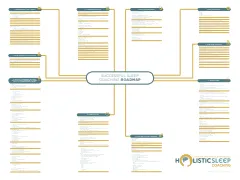
    SUCCESSFUL SLEEP

    COACHING ROADMAP

    © Copyright 2019 - Holistic Sleep Coaching . All rights reserved

    .

    How does the parent define their sleep problem?

    How is the sleep problem affecting:

    a. the parents

    b. the child

    c. any siblings

    Is it a new problem or has it been steadily worsening?

    What is the age of the child?

    Any known underlying health problems for child or parent

    Other siblings needs:

    a. age

    b. nursery, school or playgroup

    c. behaviour, neurodevelopmental or special needs

    What are the parent’s goals?

    How urgent is the problem?

    Is anything driving the need to address the problem?

    What have they heard about sleep from other people/sources?

    What is the parents capacity for change?

    Complete a sleep diary for 3-5 days/nights

    1. UNDERSTANDING THE CONTEXT

    Do expectations match reality?

    What are the biological and developmental norms, and how do

    these compare with what the parent is describing?

    Night feeds

    Developmental milestones

    2. DEVELOPMENTALLY APPROPRIATE

    a) Genetics

    i. parental history of poor sleep

    ii. circadian rhythm extremes

    iii. insomnia

    b) Feeding problems

    i. feeding comfort

    - wind

    - feeding stress

    - position for feeding

    - overfeeding

    ii. feeding relationship

    iii. faltering growth

    iv. reflux

    v. colic

    vi. allergy and intolerance

    c) Developmental problems

    i. bed-wetting

    ii. separation anxiety

    iii. gross and fine motor milestones

    iv. developmental delay

    v. loss of developmental progress

    d) Health problems

    i. chronic health problems

    ii. acute health problems

    iii. inflammatory conditions

    iv. skin disorders

    v. pain

    vi. frequent hospital admission

    vii. medications

    viii. congenital problems

    ix. prematurity

    e) Anatomical problems

    i. oral anatomy and tongue function

    ii. torticollis

    iii. plagiocephaly

    iv. head, back, neck and torso misalignment or tension

    f) Sleep pathology

    i. sleep disordered breathing

    - snoring

    - mouth breathing

    ii. sleep apnoea

    iii. restless leg

    iv. periodic limb movement disorder

    v. night terrors

    vi. confusional arousals

    vii. nightmares

    viii. night sweats

    g) Mental health problems

    i. depression

    ii. anxiety

    iii. trauma, including birth trauma

    iv. eating disorders/difficulty

    h) Neurodevelopmental disorders

    i. autism spectrum disorder

    ii. attention deficit hyperactivity disorder

    iii. communication disorder

    i) Special needs

    i. down syndrome

    ii. dyslexia

    iii. dyspraxia

    iv. global developmental delay

    v. epilepsy

    vi. cerebral palsy

    j) Sensory problems

    i. sensory impairment

    - blind

    - deaf

    ii. sensory processing disorder

    iii. brain injury

    iv. lack of emotional regulation or co-regulation by parent

    3. RULE OUT UNDERLYING TRIGGERS

    FOR POOR SLEEP UNRELATED TO SLEEP

    BIOLOGY OR BEHAVIOURAL CAUSE

    Age appropriate total sleep time in 24 hours

    - proportion of daytime sleep

    - proportion of night time sleep

    - sleep debt?

    Age appropriate bedtime

    Age appropriate nap opportunities

    - consider location of nap

    - lighting during nap

    - avoiding compensatory long early morning naps as a result

    of poor night sleep

    - avoiding long naps just before bedtime

    Observation of individual tired cues

    Optimal and individual awake windows

    - age appropriate

    - responsive to infant/child cues

    - adaptive as sleep deprivation lessens

    - increasing with age

    Sleep latency

    - indicative of sleep deprivation

    - optimal

    - indicative of low sleep pressure, poor sleep timing, or anxiety

    Pattern of night waking

    - Frequency

    any long stretches of sleep?

    does frequency increase over the night?

    every sleep cycle?

    how often do they wake?

    - Timing

    before midnight (Predominantly deep NREM sleep)

    after midnight (Predominantly REM sleep)

    any long periods awake in the night?

    predictable time?

    early rising?

    - Wake after sleep onset

    - Easy to re-settle?

    - Any obvious cause for night waking

    - Behaviour during waking?

    confused

    groggy

    alert

    upset

    screaming

    crying

    4. SLEEP BIOLOGY

    5. LIFESTYLE, DIET AND WELLNESS

    Nutritional deficit

    - anaemia

    - vitamin D

    - other micro or macro-nutrient deficiency

    Opportunity for age-appropriate exercise

    Outdoor and nature time

    Avoidance of processed foods, artificial colours/flavours/GM

    ingredients

    Emotional needs

    - sensory and social stimulation

    - secure attachment

    - loving, age appropriate boundaries

    - emotional regulation

    - emotional availability of caregiver

    - involve child

    - child temperament

    level and extent of motor activity

    regularity of basic functions such as feeding, elimination and

    sleep

    response to new people

    sensitivity to stimuli

    intensity of response

    distractibility

    adaptability

    general mood and disposition

    persistence

    6. SLEEP HYGIENE

    Bedtime routine

    - consistent

    - 30-45 minutes long (may be shorter in younger babies)

    - nurturing

    - choose activities that facilitate calm

    - consider a background noise such as pink or white noise, or

    nature sounds

    Positive association with sleep environment

    - no time spent in sleep environment as a punishment

    - spend time in bedroom doing calming, positive, nurturing

    activities

    - avoid stressful activities such as revision in bedroom for older

    children

    - uncluttered environment

    - watch out for scary shadows caused by mobile, toys etc

    Right temperature

    - cooler in evening when core body temperature is higher

    - room may cool in early morning when core body temperature is

    lower

    - bedding thickness and material

    Dim light in the evening

    - warm, red light, avoid blue light

    - avoid clocks, monitors and light projectors that emit blue light

    - black out blinds

    Calm down period before bedtime

    - reduced noise

    - calmer play

    - emotional availability, warmth and connection

    Avoidance of screens 2 hours before bed

    - tv

    - games consoles

    - laptops

    - handheld screens

    - apps/iPhones/iPads

    Avoid going to bed full, or hungry

    Right level of stimulation during the day

    - exposure to social variability

    - age-appropriate stimulation

    Parent sleep hygiene and wellbeing

    - opportunities for self care

    - opportunities to have a break

    - stress management

    - mental health

    - sleep latency

    - bedroom environment

    7. SAFE SLEEP CHECKLIST

    Baby in parents bedroom for at least the first 6 months

    Sleep on back

    Check whether bed-sharing is done as safely as possible

    Room temperature 16-20

    o

    C

    No smoking in pregnancy or around children

    Breastfeed if you can, for as long as you can

    Avoid sleeping products such as positioners, cushions and other

    devices

    Choose a firm, clean mattress with waterproof cover

    Avoid articles such as teddies, loose blankets or cushions/pillows

    in the bed

    8. EASY THINGS FIRST

    Naps

    - timing

    - location

    - length

    - behaviour before and after

    Avoiding overtiredness in day

    Stress reduction and emotional and mental health

    Nutrition

    Opportunities for fun family time, connectedness and bonding

    Lifestyle, exercise and wellness

    Address underlying causes

    Bedtime routine adjustments

    9. NIGHT TIME STRATEGIES

    Change the bedtime routine

    - change order

    - make shorter or longer

    - bring the feed earlier in the routine

    - leave out bath if causing excitement or stress

    - ensure sibling needs are accounted for

    - support families with multiples

    Change the location of sleep

    - from falling asleep feeding to falling asleep in arms

    - from rocking to still holding

    - from holding to sleep to lying down beside child to sleep

    - from beside child to lying next to cot or bed

    - from lying next to cot to sitting

    Change the person

    - switch parents

    - alternate parents

    - additional support

    Change the response

    - add in additional sleep cues

    - overlap additional sleep cues

    - delay sleep cue

    - schedule the sleep cue

    - remove the sleep cue

    10. FORMULATING A PLAN

    What have they previously tried?

    Solution focused approach

    Is there anything they are unwilling to do?

    Is there anything they need to put in place before embarking on

    the plan?

    Is this the right time?

    - holiday

    - availability of both parents

    - support from other family

    - other events within the family

    - house moves

    Set SMART goals

    - specific

    - measurable

    - achievable

    - realistic

    - within a given timeframe

    Offer a small range of choices

    - easy things first

    - quick vs slow

    - intense vs very gentle

    - pros and cons

    Make compromises and adaptations to strategies to help the

    family succeed

    Discuss speed of progress with each step

    Discuss and prepare for predictable stumbling blocks or set backs

    Check family fully happy with the plan

    Check understanding

    Provide written summary and plan

    Plan follow up

    Page 1 Page 1 of 1
    HSC Roadmap.pdf
    Page
    /1
      Request a review
      Learn more
      Signature pending
      Sign
      Reject
      View details
      Not spam
      Remove forever
      Not spam

      Page 1 of 1

      SUCCESSFUL SLEEP

      COACHING ROADMAP

      © Copyright 2019 - Holistic Sleep Coaching . All rights reserved

      .

      How does the parent define their sleep problem?

      How is the sleep problem affecting:

      a. the parents

      b. the child

      c. any siblings

      Is it a new problem or has it been steadily worsening?

      What is the age of the child?

      Any known underlying health problems for child or parent

      Other siblings needs:

      a. age

      b. nursery, school or playgroup

      c. behaviour, neurodevelopmental or special needs

      What are the parent’s goals?

      How urgent is the problem?

      Is anything driving the need to address the problem?

      What have they heard about sleep from other people/sources?

      What is the parents capacity for change?

      Complete a sleep diary for 3-5 days/nights

      1. UNDERSTANDING THE CONTEXT

      Do expectations match reality?

      What are the biological and developmental norms, and how do

      these compare with what the parent is describing?

      Night feeds

      Developmental milestones

      2. DEVELOPMENTALLY APPROPRIATE

      a) Genetics

      i. parental history of poor sleep

      ii. circadian rhythm extremes

      iii. insomnia

      b) Feeding problems

      i. feeding comfort

      - wind

      - feeding stress

      - position for feeding

      - overfeeding

      ii. feeding relationship

      iii. faltering growth

      iv. reflux

      v. colic

      vi. allergy and intolerance

      c) Developmental problems

      i. bed-wetting

      ii. separation anxiety

      iii. gross and fine motor milestones

      iv. developmental delay

      v. loss of developmental progress

      d) Health problems

      i. chronic health problems

      ii. acute health problems

      iii. inflammatory conditions

      iv. skin disorders

      v. pain

      vi. frequent hospital admission

      vii. medications

      viii. congenital problems

      ix. prematurity

      e) Anatomical problems

      i. oral anatomy and tongue function

      ii. torticollis

      iii. plagiocephaly

      iv. head, back, neck and torso misalignment or tension

      f) Sleep pathology

      i. sleep disordered breathing

      - snoring

      - mouth breathing

      ii. sleep apnoea

      iii. restless leg

      iv. periodic limb movement disorder

      v. night terrors

      vi. confusional arousals

      vii. nightmares

      viii. night sweats

      g) Mental health problems

      i. depression

      ii. anxiety

      iii. trauma, including birth trauma

      iv. eating disorders/difficulty

      h) Neurodevelopmental disorders

      i. autism spectrum disorder

      ii. attention deficit hyperactivity disorder

      iii. communication disorder

      i) Special needs

      i. down syndrome

      ii. dyslexia

      iii. dyspraxia

      iv. global developmental delay

      v. epilepsy

      vi. cerebral palsy

      j) Sensory problems

      i. sensory impairment

      - blind

      - deaf

      ii. sensory processing disorder

      iii. brain injury

      iv. lack of emotional regulation or co-regulation by parent

      3. RULE OUT UNDERLYING TRIGGERS

      FOR POOR SLEEP UNRELATED TO SLEEP

      BIOLOGY OR BEHAVIOURAL CAUSE

      Age appropriate total sleep time in 24 hours

      - proportion of daytime sleep

      - proportion of night time sleep

      - sleep debt?

      Age appropriate bedtime

      Age appropriate nap opportunities

      - consider location of nap

      - lighting during nap

      - avoiding compensatory long early morning naps as a result

      of poor night sleep

      - avoiding long naps just before bedtime

      Observation of individual tired cues

      Optimal and individual awake windows

      - age appropriate

      - responsive to infant/child cues

      - adaptive as sleep deprivation lessens

      - increasing with age

      Sleep latency

      - indicative of sleep deprivation

      - optimal

      - indicative of low sleep pressure, poor sleep timing, or anxiety

      Pattern of night waking

      - Frequency

      any long stretches of sleep?

      does frequency increase over the night?

      every sleep cycle?

      how often do they wake?

      - Timing

      before midnight (Predominantly deep NREM sleep)

      after midnight (Predominantly REM sleep)

      any long periods awake in the night?

      predictable time?

      early rising?

      - Wake after sleep onset

      - Easy to re-settle?

      - Any obvious cause for night waking

      - Behaviour during waking?

      confused

      groggy

      alert

      upset

      screaming

      crying

      4. SLEEP BIOLOGY

      5. LIFESTYLE, DIET AND WELLNESS

      Nutritional deficit

      - anaemia

      - vitamin D

      - other micro or macro-nutrient deficiency

      Opportunity for age-appropriate exercise

      Outdoor and nature time

      Avoidance of processed foods, artificial colours/flavours/GM

      ingredients

      Emotional needs

      - sensory and social stimulation

      - secure attachment

      - loving, age appropriate boundaries

      - emotional regulation

      - emotional availability of caregiver

      - involve child

      - child temperament

      level and extent of motor activity

      regularity of basic functions such as feeding, elimination and

      sleep

      response to new people

      sensitivity to stimuli

      intensity of response

      distractibility

      adaptability

      general mood and disposition

      persistence

      6. SLEEP HYGIENE

      Bedtime routine

      - consistent

      - 30-45 minutes long (may be shorter in younger babies)

      - nurturing

      - choose activities that facilitate calm

      - consider a background noise such as pink or white noise, or

      nature sounds

      Positive association with sleep environment

      - no time spent in sleep environment as a punishment

      - spend time in bedroom doing calming, positive, nurturing

      activities

      - avoid stressful activities such as revision in bedroom for older

      children

      - uncluttered environment

      - watch out for scary shadows caused by mobile, toys etc

      Right temperature

      - cooler in evening when core body temperature is higher

      - room may cool in early morning when core body temperature is

      lower

      - bedding thickness and material

      Dim light in the evening

      - warm, red light, avoid blue light

      - avoid clocks, monitors and light projectors that emit blue light

      - black out blinds

      Calm down period before bedtime

      - reduced noise

      - calmer play

      - emotional availability, warmth and connection

      Avoidance of screens 2 hours before bed

      - tv

      - games consoles

      - laptops

      - handheld screens

      - apps/iPhones/iPads

      Avoid going to bed full, or hungry

      Right level of stimulation during the day

      - exposure to social variability

      - age-appropriate stimulation

      Parent sleep hygiene and wellbeing

      - opportunities for self care

      - opportunities to have a break

      - stress management

      - mental health

      - sleep latency

      - bedroom environment

      7. SAFE SLEEP CHECKLIST

      Baby in parents bedroom for at least the first 6 months

      Sleep on back

      Check whether bed-sharing is done as safely as possible

      Room temperature 16-20

      o

      C

      No smoking in pregnancy or around children

      Breastfeed if you can, for as long as you can

      Avoid sleeping products such as positioners, cushions and other

      devices

      Choose a firm, clean mattress with waterproof cover

      Avoid articles such as teddies, loose blankets or cushions/pillows

      in the bed

      8. EASY THINGS FIRST

      Naps

      - timing

      - location

      - length

      - behaviour before and after

      Avoiding overtiredness in day

      Stress reduction and emotional and mental health

      Nutrition

      Opportunities for fun family time, connectedness and bonding

      Lifestyle, exercise and wellness

      Address underlying causes

      Bedtime routine adjustments

      9. NIGHT TIME STRATEGIES

      Change the bedtime routine

      - change order

      - make shorter or longer

      - bring the feed earlier in the routine

      - leave out bath if causing excitement or stress

      - ensure sibling needs are accounted for

      - support families with multiples

      Change the location of sleep

      - from falling asleep feeding to falling asleep in arms

      - from rocking to still holding

      - from holding to sleep to lying down beside child to sleep

      - from beside child to lying next to cot or bed

      - from lying next to cot to sitting

      Change the person

      - switch parents

      - alternate parents

      - additional support

      Change the response

      - add in additional sleep cues

      - overlap additional sleep cues

      - delay sleep cue

      - schedule the sleep cue

      - remove the sleep cue

      10. FORMULATING A PLAN

      What have they previously tried?

      Solution focused approach

      Is there anything they are unwilling to do?

      Is there anything they need to put in place before embarking on

      the plan?

      Is this the right time?

      - holiday

      - availability of both parents

      - support from other family

      - other events within the family

      - house moves

      Set SMART goals

      - specific

      - measurable

      - achievable

      - realistic

      - within a given timeframe

      Offer a small range of choices

      - easy things first

      - quick vs slow

      - intense vs very gentle

      - pros and cons

      Make compromises and adaptations to strategies to help the

      family succeed

      Discuss speed of progress with each step

      Discuss and prepare for predictable stumbling blocks or set backs

      Check family fully happy with the plan

      Check understanding

      Provide written summary and plan

      Plan follow up

      Page 1 Page 1 of 1
      made with bernard